

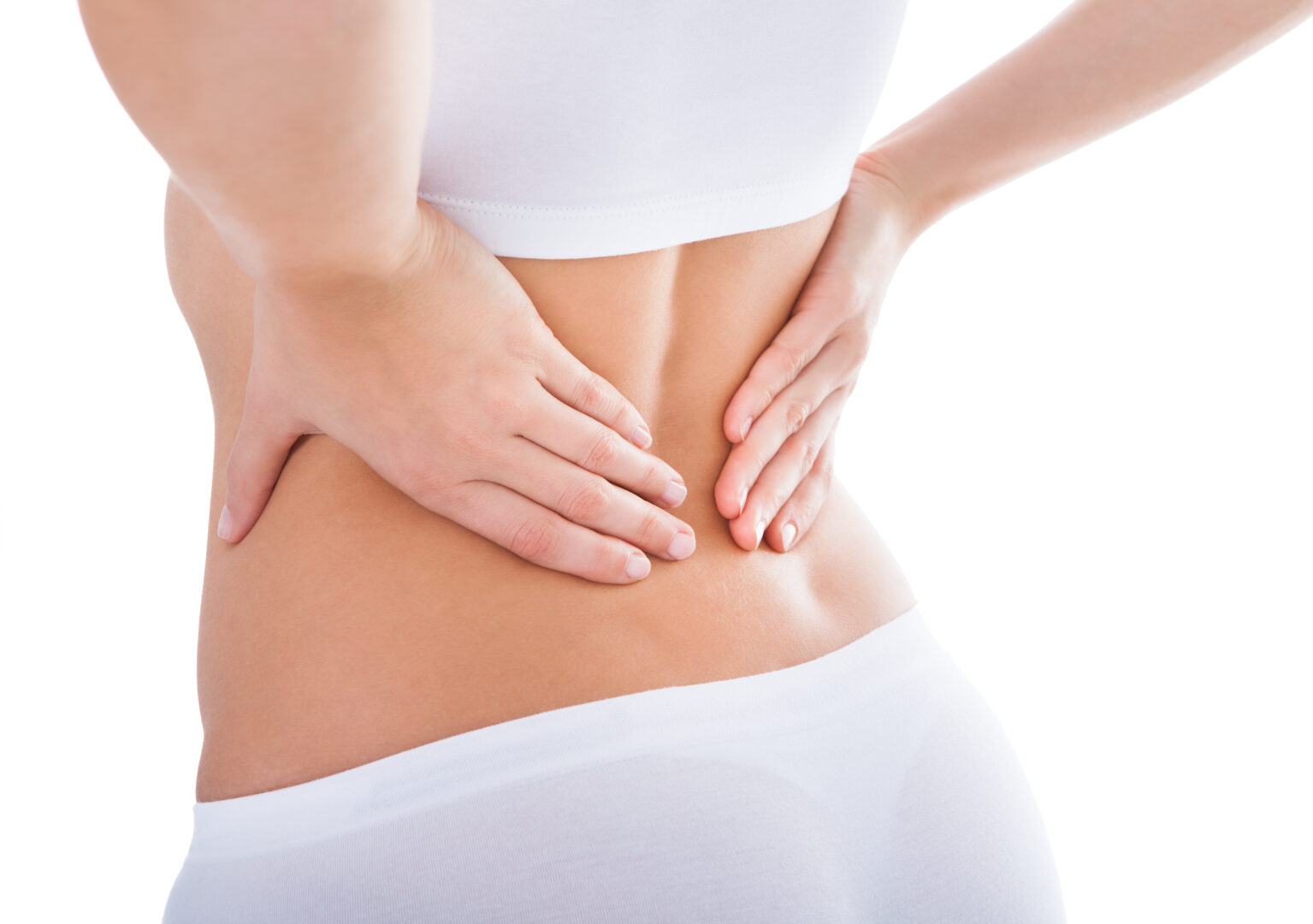
A disc bulge (also known as a herniated or slipped disc) is a common cause of back pain and sciatica. It occurs when the soft inner part of a spinal disc pushes outward, potentially irritating nearby nerves. While disc bulges can sound alarming, research shows that most cases improve with conservative care, including appropriate movement, exercise, and posture management.
Knowing what to avoid and which exercises can help when you are in pain is essential for recovery and long-term spinal health.
What to Avoid If You Have a Disc Bulge
During a painful episode, certain activities and postures can increase pressure on the spinal discs and aggravate symptoms.
1. Repeated Forward Bending and Poor Lifting Technique
Deep forward bending (such as touching your toes repeatedly) and lifting with a rounded back significantly increase disc pressure. Heavy lifting without proper technique can worsen pain and delay recovery.
Tip: When lifting, hinge at the hips, keep the spine neutral, and hold objects close to your body.
2. Twisting Movements, Especially Under Load
Rotational movements, particularly when combined with bending or lifting, can place uneven stress on the disc. Sports or exercises involving sudden twisting should be avoided during flare-ups.
3. High-Impact Activities
Running, jumping, and high-impact gym exercises increase spinal loading and may irritate an already sensitive disc. These activities are best avoided until pain has settled and strength has improved.
4. Prolonged Slouched Sitting
Sitting for long periods with a rounded lower back increases pressure on spinal discs. This is especially relevant for desk workers.
Helpful strategy:
- Sit with a neutral spine
- Use lumbar support if needed
- Take regular breaks to stand and move
Exercises and Stretches That Can Help With Disc Bulge Pain
Research strongly supports exercise therapy as a key part of conservative treatment for disc bulges. When done correctly, exercise can reduce pain, improve function, and help prevent recurrence.
The goal is not to “push through pain”, but to restore movement, strength, and confidence gradually.
1. Low-Impact Aerobic Exercise
Gentle aerobic activity improves circulation, reduces stiffness, and supports healing without overloading the spine.
Recommended options include:
- Walking
- Swimming or water-based exercise
- Upright stationary cycling
Start with short durations and gradually increase as tolerated.
2. Core Stability and Control Exercises
Strengthening the muscles that support your spine reduces mechanical stress on the discs and improves spinal stability.
Examples include:
- Pelvic tilts to improve awareness and gentle spinal control
- Bridging exercises to strengthen glutes and lower back muscles
- Motor control exercises focusing on coordination rather than force
Studies show that targeted core and motor control exercises can significantly reduce pain and disability in people with disc bulges.
3. Gentle Stretching to Reduce Tension
Tight muscles can increase strain on the lower back. Gentle stretching can help relieve tension and improve movement.
Helpful stretches include:
- Hamstring stretches
- Gentle spinal mobility exercises (such as controlled flexion and extension)
Stretches should always be performed within a pain-free range. Pain during stretching is a sign to stop or modify.
Important Guidelines for Exercising With a Disc Bulge
- Start slowly and progress gradually
- Avoid movements that reproduce sharp or worsening pain
- Prioritise quality of movement over intensity
- Maintain a neutral spine during daily activities
- Seek professional guidance for individualised exercise selection
There is no single “best” exercise for disc bulges — what matters most is a personalised approach based on symptoms, lifestyle, and movement patterns.
What Does the Latest Research Say?
Recent research and clinical guidelines consistently show that:
- Exercise therapy is effective for reducing pain and improving function in people with disc bulges
- Conservative treatment is recommended as a first-line approach
- Personalised exercise programs lead to better outcomes than generic routines
Importantly, imaging findings (such as MRI results) do not always correlate with pain severity, which is why clinical assessment and tailored care are essential.
Final Thoughts
A disc bulge does not mean you need to stop moving, but it does mean you need to move smartly. Avoid activities that overload the spine, focus on posture and control, and introduce gentle, progressive exercise.
With the right guidance, most people can return to normal activities and reduce the risk of future episodes.
Book a Consultation – Get Personalised Care
If you are struggling with back pain or a disc bulge, professional support can make a significant difference.
At Eglantine Hallo Osteopath, we offer individualised, evidence-based osteopathic care, combining hands-on treatment, movement advice, and tailored exercise programmes to support recovery and long-term spinal health.
Book your appointment today and take the first step toward moving with confidence again.